The future of load handling can be quiet
A white paper from Hiab reveals that noise is more than just an annoyance; it’s a sign of wasted energy. By redefining noise as "unwanted vibrations and sound," the industry is beginning to see that a quieter machine is a more efficient, safer and more productive one.
Noise originates from different sources
In final-mile delivery, common issues include frequent idling, the mechanical clatter of roll-up shutters, and the operation of tail lift pumps. In the waste and recycling sector, noise is typically generated by high-duty-cycle hydraulics and the spikes in engine RPM required to power them. Bin clutter and the sound of materials like glass or scrap being emptied also creates unwanted noise.
Regional logistics operations contribute through drivetrain and tyre noise, air brake systems, and the constant rattle of trailers. On the other hand, forestry and lumber segments may suffer from intense hydraulic forces and the loud impact of logs striking bunks or grapples. In construction, noise stems from idling engines, the whining of hydraulics under load, and the clanking of chains or heavy impacts when placing large loads.
Across all segments using load handling solutions, equipment operators are most often the ones that are exposed to noise the most. However, negative noise effects also reach site workers, local residents and the general public.
Many positives in shifting towards quieter operations
There are many positives in shifting towards quieter operations. Constant noise and vibration can create workplace risks that increase physical and psychological strain. Quieter conditions help operators stay focused and reduce long-term fatigue.
High noise levels can also drown out warnings and make site coordination difficult. Lower noise levels support better situational awareness and clearer dialogue between crews.
Lowered noise levels can also improve work productivity and precision. As loud noise reads wasted energy, lower machine sounds can often translate to better operator feedback and more precise load handling.
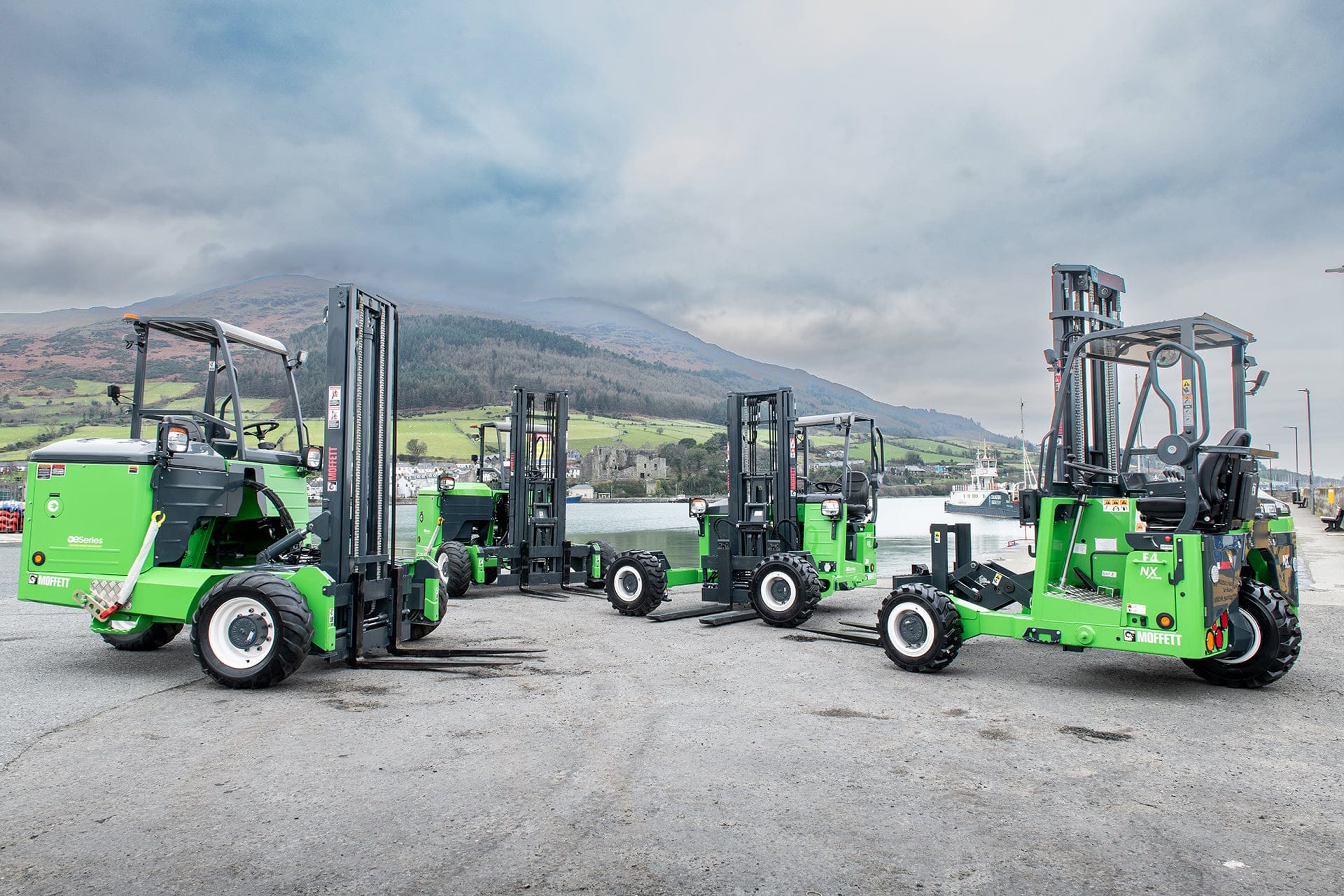
Less noise can also enhance access in urban areas. As logistics move closer to residential areas, meeting acoustic regulations is essential for environmental compliance and public acceptance. With 100 European cities set to become zero-emission and noise-sensitive zones, quiet electric equipment like the MOFFETT eSeries or MULTILIFT eUltima is the key to maintaining access to urban contracts.
High noise levels are not pleasing factors in any working environment; it can even drive the workforce away. In a competitive labour market facing structural driver shortages, providing a high-quality, low-stress working environment can be a central tool for recruitment and retention.
Real-world examples of how silent operations can make a difference
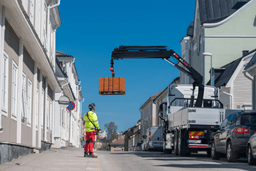
AMK Transport, a Swedish crane truck service, found that traditional diesel engines were a significant source of physical and mental exhaustion, particularly in dense urban environments where sound echoes between buildings. By field-testing a HIAB wspr e-PTO system, founder Kalle Björklund discovered that the reduction in noise allowed for normal conversation during lifts. It also provided a better sense of the surrounding activities. The factors improved site safety and situational awareness significantly.
AMK Transport also noted that the move to electric power enhanced precision. A quiet system allows operators to hear the hydraulic pump beginning to work before the crane starts to move. This provides an early acoustic feedback that allows for finer control during delicate operations.
AWD Lifts & Transport in Australia became a pioneer in its region by being the first company in Australia to adopt an all-electric MOFFETT eSeries for delivering building materials. Owner Greg Rogers was initially sceptical about whether the investment would be justified, but was quickly "blown away" by the machine’s responsiveness and its ability to handle off-road conditions even better than its diesel counterparts.
AWD Lifts & Transport has seen a tangible return on investment through reduced maintenance costs and lower mechanical wear. The electronically controlled motors prevent operators from over-revving (a common habit with diesel models) which has led to less mechanical stress and fewer damage incidents on busy construction sites.
Texas Åkeri & Entreprenad, a multi-generation Swedish family business, is standardising its fleet around fossil-free transport and electric hooklift systems like the MULTILIFT eUltima. For owner Lars-Erik "Texas" Andersson, the transition is about both driver satisfaction and commercial demand, as an increasing number of customers now include strict environmental and noise criteria in their procurement processes.
Texas Åkeri & Entreprenad has observed a dramatic shift in driver preference: the drivers operating the remaining biofuel trucks are already eager to switch to the "electric calm" of the new fleet.
Quiet is becoming the new standard
As urbanisation continues and sustainability regulations tighten, the "quiet revolution" is gaining momentum. Whether it’s through intelligent engine control or fully electric power, the goal is clear: load handling that is human-centric, highly controlled, and built for a better tomorrow.